
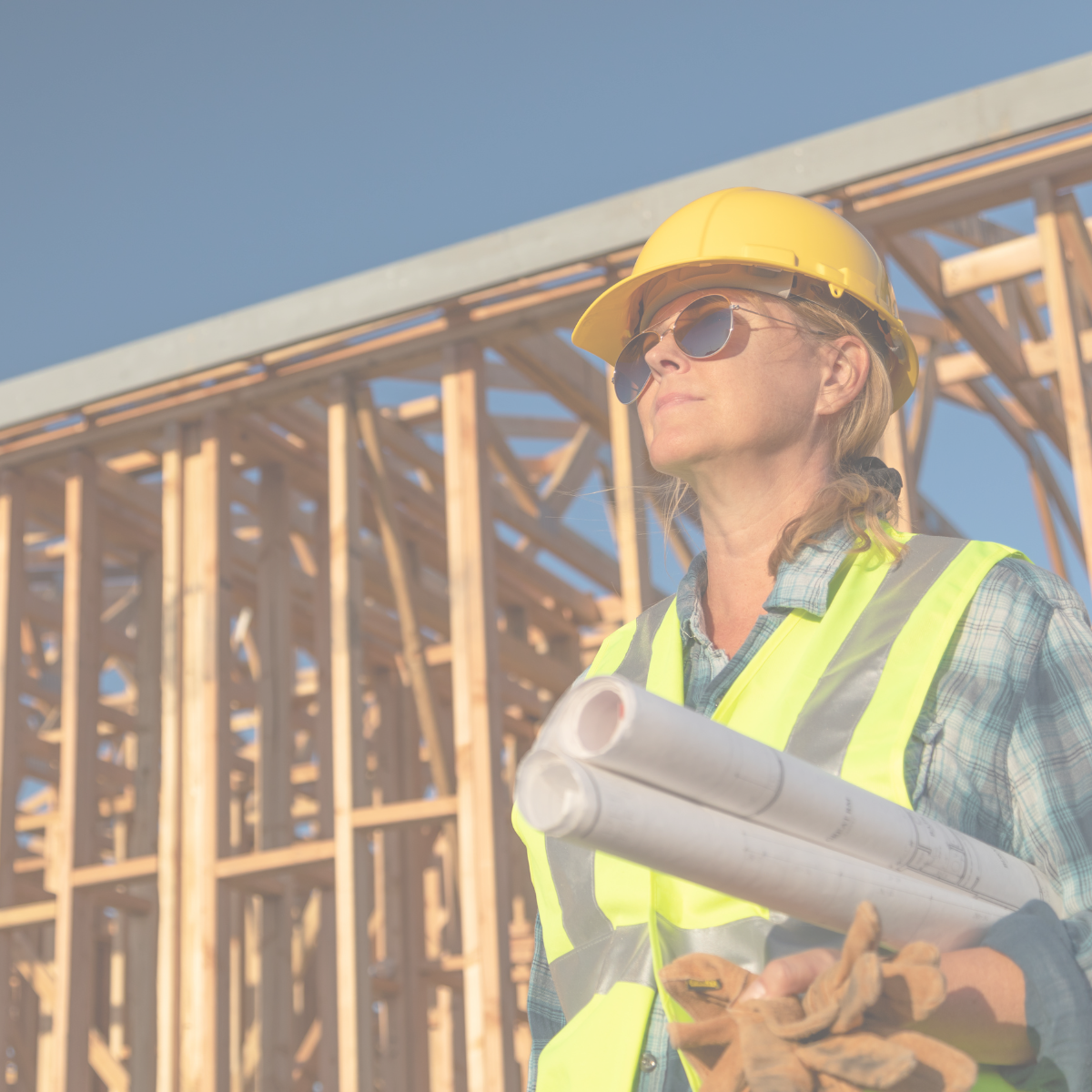
At the time, I was working in welfare and spent much of my day observing work environments, teams, and how people interacted. That’s when I noticed her, a lift technician, tools in hand, navigating shafts and panels with precision and confidence. Most people glanced and barely registered her presence, assuming this role “should” be a man’s job. She didn’t seem to notice or care, despite the very masculine environment of a construction building site. She moved with purpose, solved problems efficiently, taught apprentices, and handled high-pressure situations as if it was completely natural.
Watching her in action was eye-opening. It wasn’t just her skill, it was the quiet way she challenged stereotypes every single day. Women like her exist in roles society has historically defined as male: electricians, engineers, mechanics, firefighters, and beyond. Research shows that having women in these positions isn’t just symbolic, it improves team problem-solving, creativity, and innovation.
What struck me most was the resilience required. She faced skepticism, sideways glances, and occasional doubt from colleagues or clients, but handled it with calm determination. By excelling in her role, she not only proved competence but also made it easier for others to imagine women thriving in the same positions.
Observing her reminded me that breaking stereotypes isn’t always dramatic or headline-worthy, it’s in the everyday courage of doing your job brilliantly while quietly shifting perceptions. Every woman stepping into a non-traditional role changes the story of what’s possible, and inspires those who come after her.
Discover more from by Bruna Batista
Subscribe to get the latest posts sent to your email.


Let’s connect
Subscribe…
Stay updated joining our newsletter.
Leave a Reply